


WELCOME TO SEVEN ON ELM
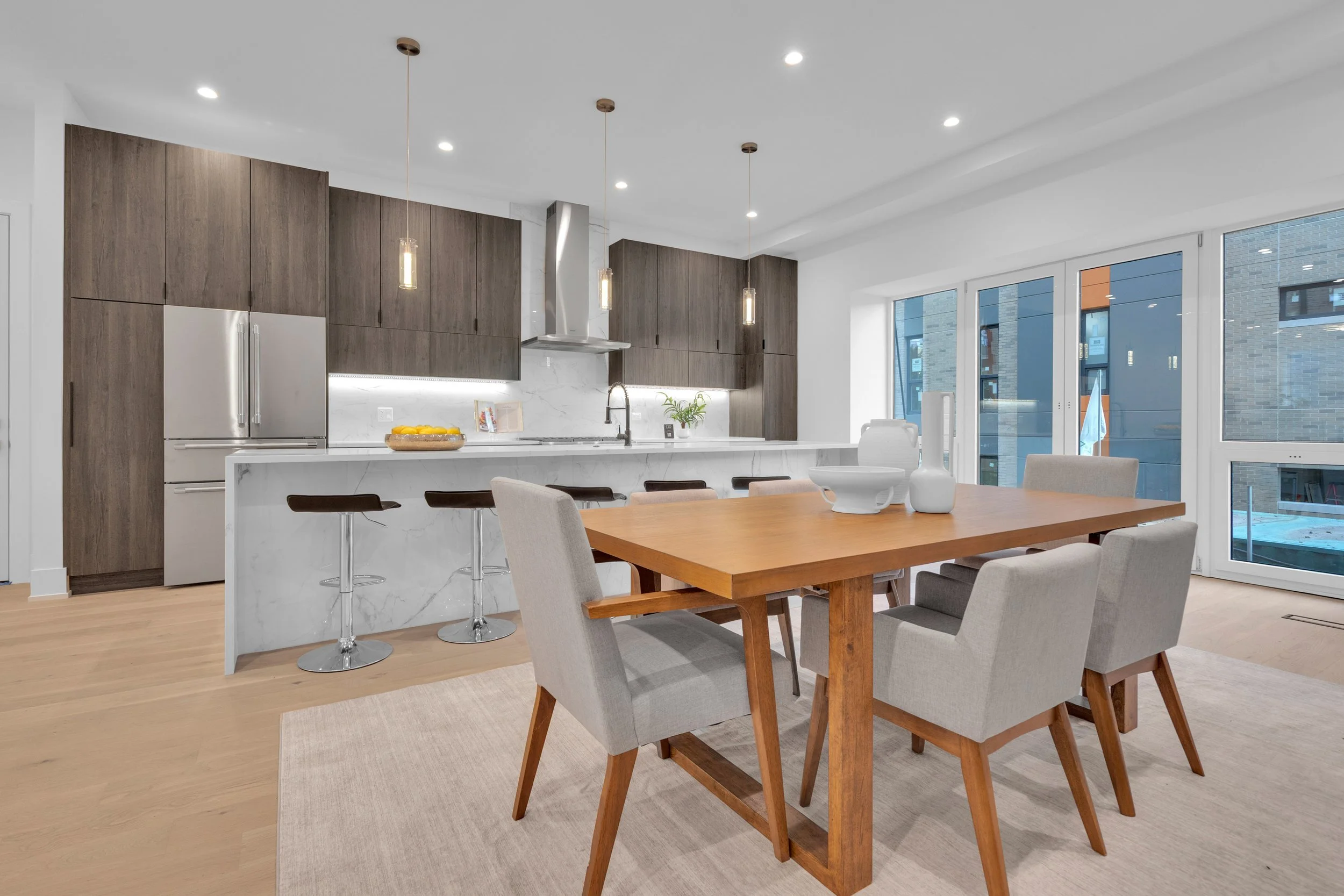
Luxury Residences
in Historic Old Town
A rare opportunity to own a piece of Chicago history: seven luxury residences within a stunning church conversion in Historic Old Town. This project masterfully blends timeless architectural character with modern sophistication, offering truly one-of-a-kind homes designed for elevated urban living.
Spacious 3-4 bedroom duplex residences feature an open-concept floor plan, soaring ceilings, and three full, spa-inspired bathrooms. The chef-inspired kitchens are equipped with Thermador appliances, quartz countertops, an expansive waterfall island; custom cabinetry and finishes by Studio41.
These homes are crafted with the highest-quality construction and mechanical standards, including closed-cell foam insulation, European windows, and hardwood floors throughout. Additional features include wet bars and exceptional private outdoor spaces. Duplex-down homes also offer the added comfort of heated lower-level floors.
All residences are set just steps from Chicago’s best dining, boutique shopping, lakefront parks, beaches, and vibrant cultural attractions.
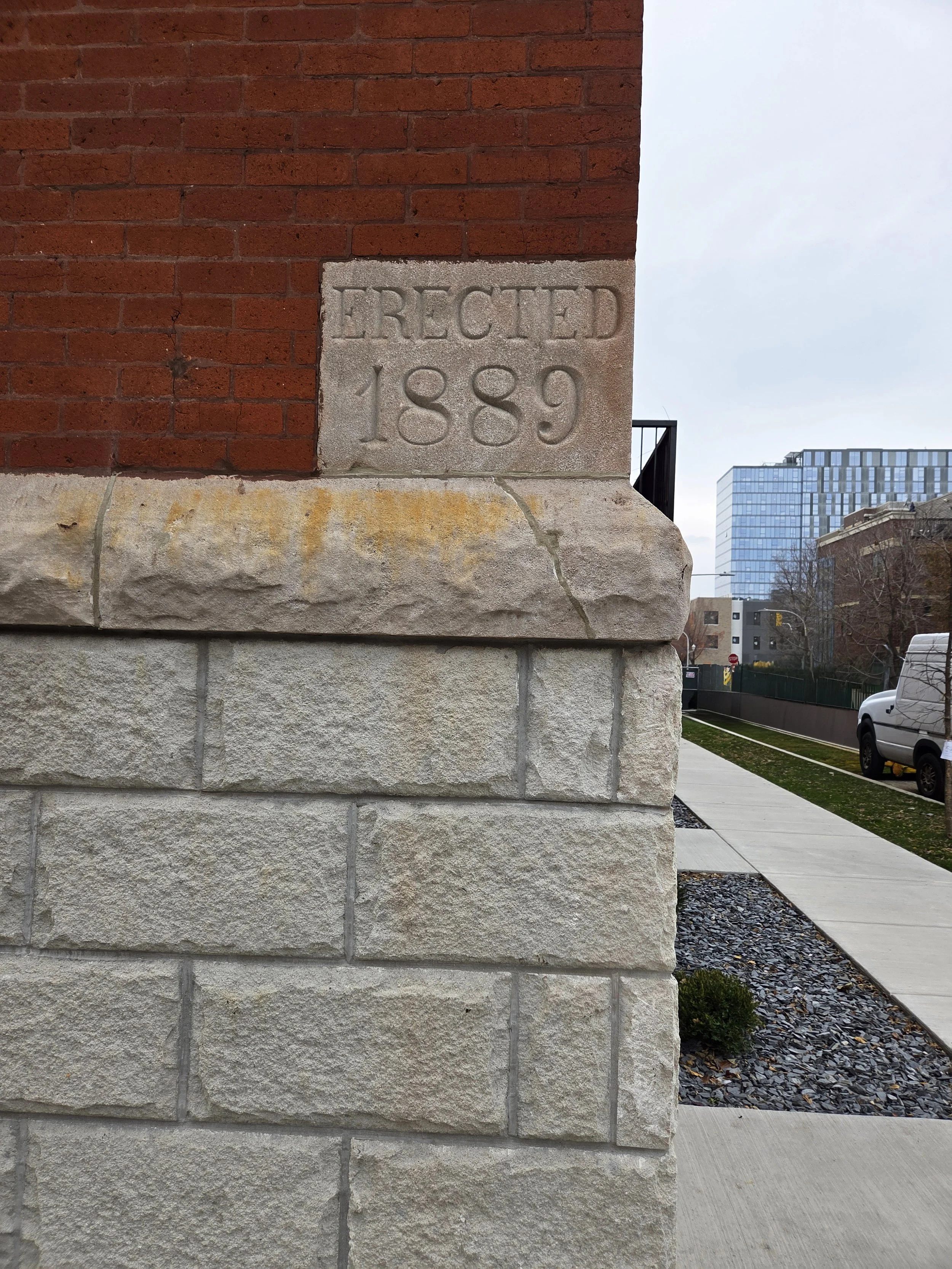
Historic Church to
Luxury Residences
Built in 1889 as the First Swedish Baptist Church, the landmark at 509 W. Elm St. has been home to the Wayman African Methodist Episcopal congregation since 1920. For much of the 20th century, it stood as a spiritual anchor for African-American residents of Cabrini-Green, which rose around it in phases from the 1940s through the early 1960s. Occupying roughly one-fifth of a city block, the property spans from Cleveland Avenue to Cambridge Avenue along Elm Street.
Though Wayman AME has worshipped here for nearly a century, the building’s origins reach back to 1853, when the First Swedish Baptist congregation was founded in what would become “Swedetown,” a neighborhood shaped by successive immigrant communities. Their first church, located near the current site, may have been lost in the Great Chicago Fire of 1871; the present structure was completed in 1889. Historical records are unclear on whether it passed directly to the AME congregation in 1920 or through an interim occupant.
The surrounding Lower Near North Side—just north of downtown and adjacent to Goose Island and the North Branch Canal—has been known by many names and has long reflected Chicago’s working-class, multicultural roots. Beginning in the 1840s, the area was settled by German immigrants, followed by the Irish, and later by a large Swedish population drawn by post-fire rebuilding and industrial jobs along the river.
One of the last physical traces of the Swedish era is this church itself.
The broader neighborhood, once dense with wood-frame tenements and workers’ cottages hastily constructed after the Fire, transformed dramatically in the mid-20th century. After the Chicago Housing Authority completed the Francis Cabrini Rowhomes in 1942, much of the remaining historic fabric was cleared to build the modernist mid- and high-rise Cabrini Extension, finished in 1958.
Today this historic church is seven luxurious condominium residences: Seven On Elm.
Historical information compiled from multiple articles by Dennis Rodkin, Crain’s Chicago Business.